

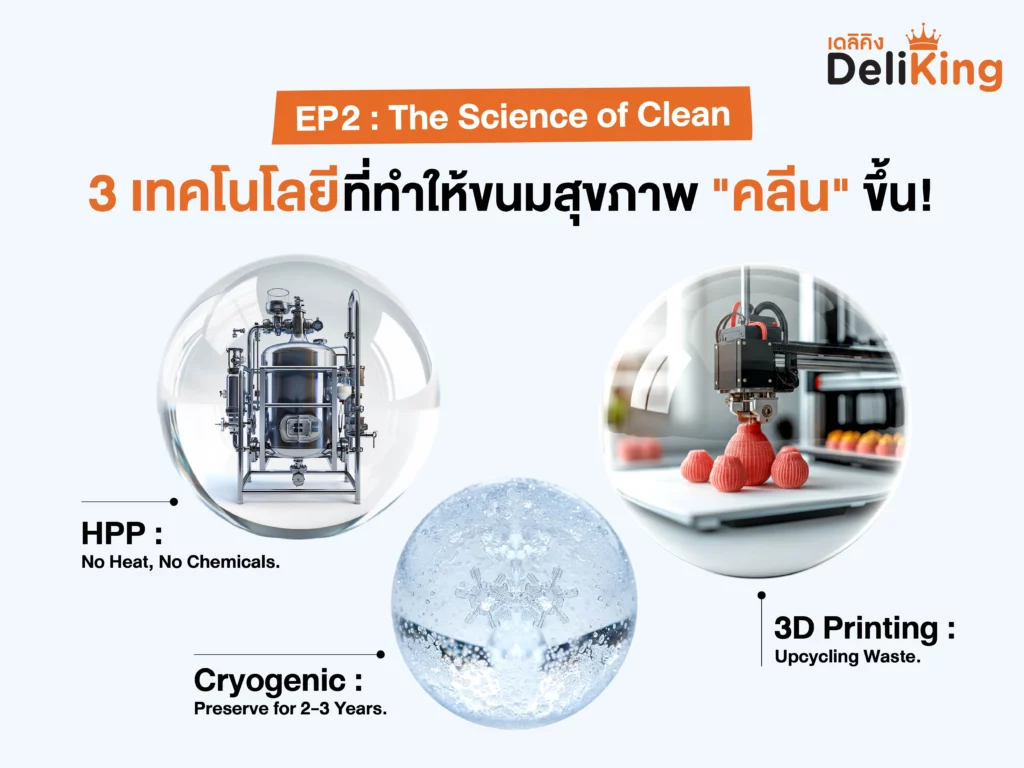
New Technologies in Healthy Snack Production
Beyond ingredients, production technology plays a crucial role in developing modern healthy snacks—improving nutritional value, minimizing quality loss, and extending shelf life without reliance on artificial additives.
3D Food Printing:
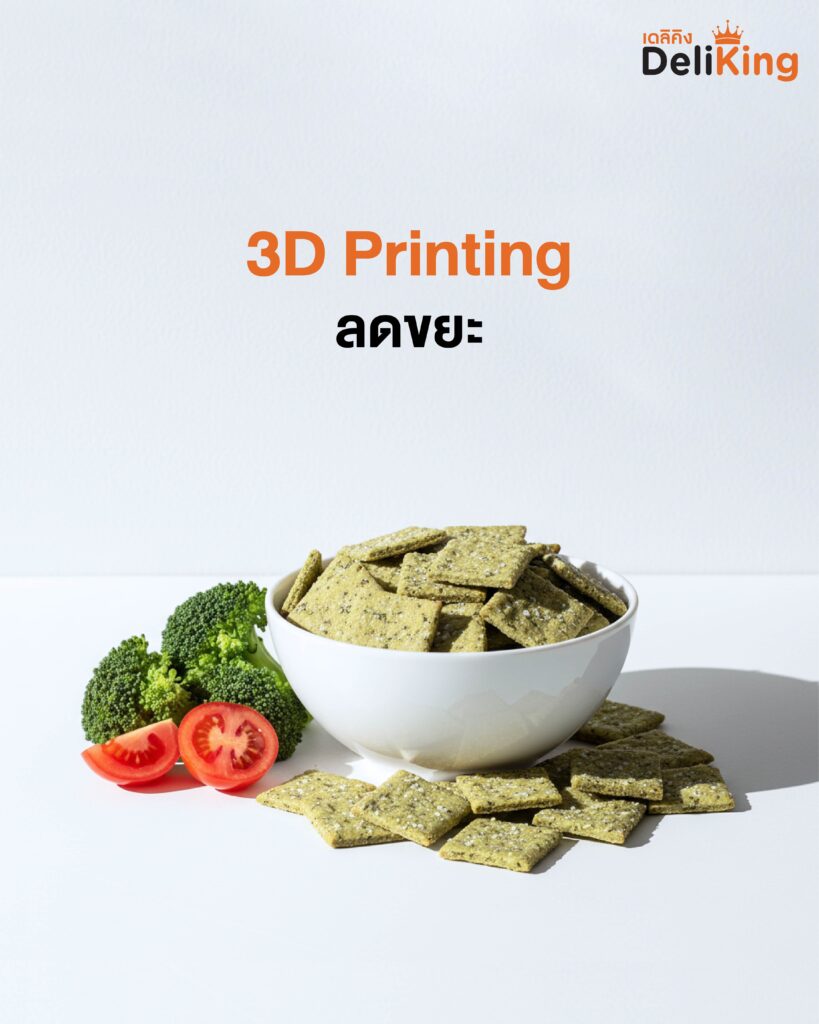
This innovation is rapidly emerging to create new snack forms unattainable through traditional methods. One 2024 study utilized aesthetically imperfect vegetables (broccoli and carrots that might otherwise be discarded) by processing them into powder via freeze-drying. This vegetable powder was then mixed into an “edible ink” for a 3D printer to create various snack shapes.
The experiment showed that printing dough formulas containing 50%–75% vegetable powder yielded the best results, accurately matching the digital design. This research indicates that 3D printing can be used to “upcycle” agricultural discards into new snacks that are both nutritious and reduce food waste.
Another fascinating example involves using 3D printers to create snacks incorporating alternative insect protein. A 2024 study examined the nutritional value of edible insects incorporated into 3D printing dough. The results showed that the printed snacks were significantly higher in protein and essential minerals. Surprisingly, taste tests revealed that subjects preferred the insect-infused snacks over the control formula! 3D printing helps transform insect protein into appealing shapes, making it easier for consumers to embrace this sustainable food source.
Preservative-Free Techniques for Shelf-Life Extension:
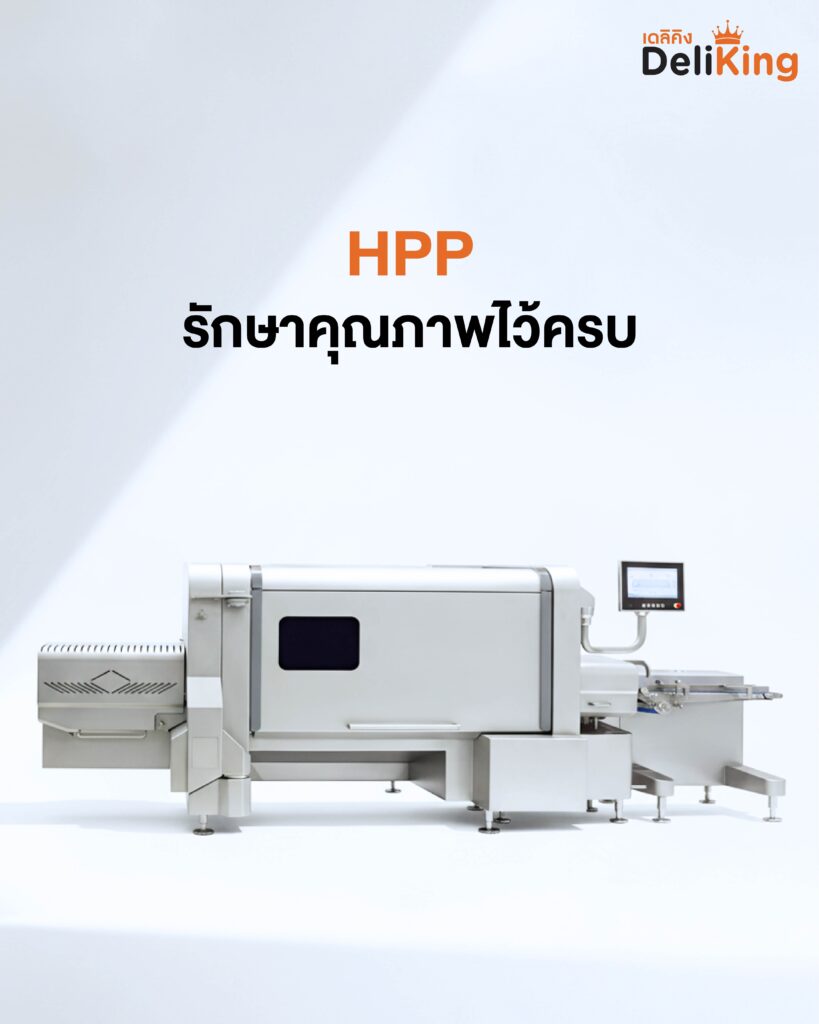
To meet the demand for clean labels and reduce chemical preservatives, manufacturers are increasingly using physical food preservation technologies. One notable method is High-Pressure Processing (HPP), a technique using intense pressure 6,000 bar at room temperature to eliminate spoilage and pathogenic microorganisms without heat. This process preserves the sensory quality (flavor, color, texture) and nutrients better than traditional heat processing, significantly extending the product’s shelf-life without added preservatives.
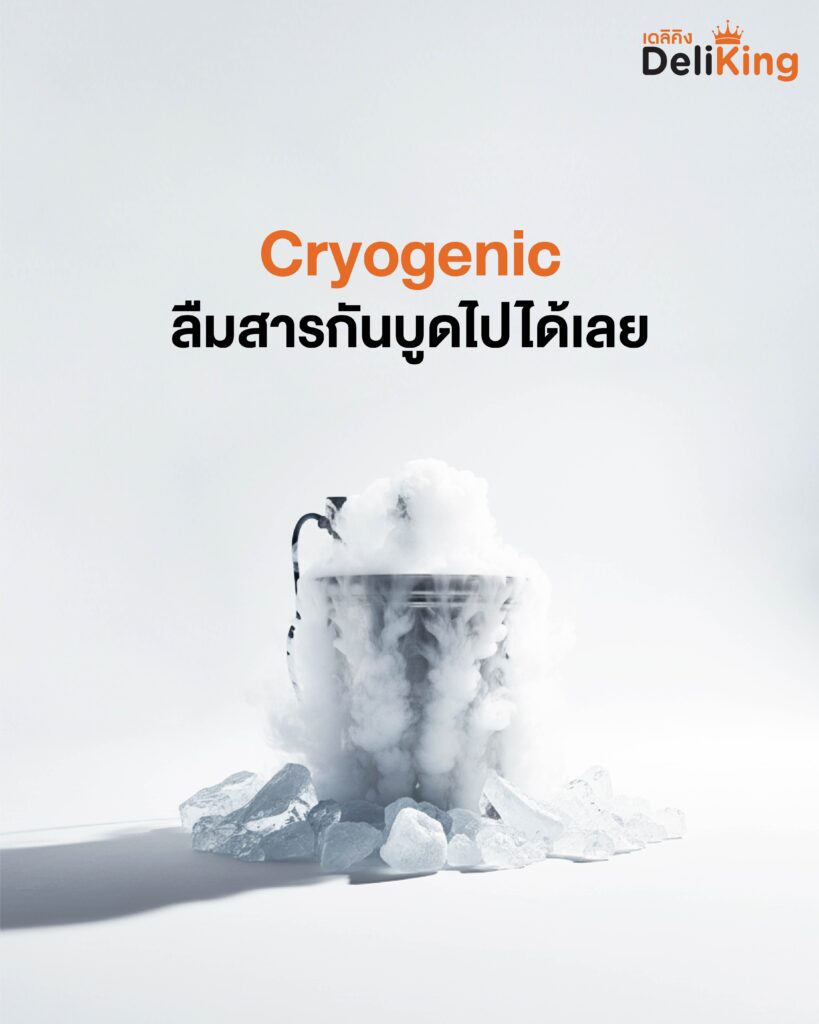
Another interesting technology is Cryogenic Freezing, which uses ultra-cold temperatures (liquid nitrogen at -196°C) for rapid flash-freezing. This method helps maintain food quality closest to its fresh state. Reports suggest liquid nitrogen freezing helps preserve food quality for 2–3 years without the need for preservatives. The rapid freezing prevents large ice crystal formation, preserving the food’s texture, flavor, and nutritional value better than conventional freezing.
Alternative Frying and Packaging:
Related ongoing trends include Vacuum Frying and Air Frying to reduce oil content and mitigate harmful compounds in vegetable snacks. In packaging, Active Packaging technology is being developed to incorporate oxygen absorbers or release natural antimicrobials, naturally extending snack shelf life without adding preservatives directly into the food.
References
[1] Duda-Seiman, C. et al. (2025). A Comprehensive Study on the Nutritional Profile and Shelf Life of a Custom-Formulated Protein Bar Versus a Market-Standard Product. Foods, 14(12), 2141
[2] Glanbia Nutritionals (2022). Healthy Snacking Usage & Attitudes Study, 2022
[3] Global Wellness Institute. (2024). Nutrition for Healthspan – 2024 Trends
[4] International Food Information Council (IFIC). (2024). 2024 Food & Health Survey
[5] Glanbia Nutritionals. (2023). Healthy Snacking Trends for 2024
[6] Ahmadzadeh, S. et al. (2024). Upcycling imperfect broccoli and carrots into healthy snacks using an innovative 3D food printing approach. Food Science & Nutrition, 12(1), 84–93
[7] Herdeiro, F.M. et al. (2024). Development of Healthy Snacks Incorporating Meal from Tenebrio molitor and Alphitobius diaperinus Using 3D Printing Technology. Foods, 13(2), 179
[8] Hiperbaric. (Jan 16, 2025). 2025 Emerging Perspectives and Trends in High-Pressure Processing (HPP)
[9] Hoon, D. (Aug 22, 2025). The Future Is Frozen: How Cryogenics Is Redefining Food Innovation. Food Industry Executive
[10] Damjanovic, J. (Dec 11, 2025). New study examines how post-exercise snacks influence benefits of exercise on blood sugar regulation. KPE News, Univ. of Toronto
[11] Bussewitz, C. (Nov 2023). Healthy workday snacks include a smart mix of energy-boosters. AP News
[12] FoodManufacture. (Aug 20, 2024). Trends in sports nutrition 2024
[13] Bermingham, K.M. et al. (2024). Snack quality and snack timing are associated with cardiometabolic blood markers: the ZOE PREDICT study. European Journal of Nutrition, 63(1), 121–133
[14] Glanbia Nutritionals (2022). Healthy Snacking Usage & Attitudes Study, 2022