

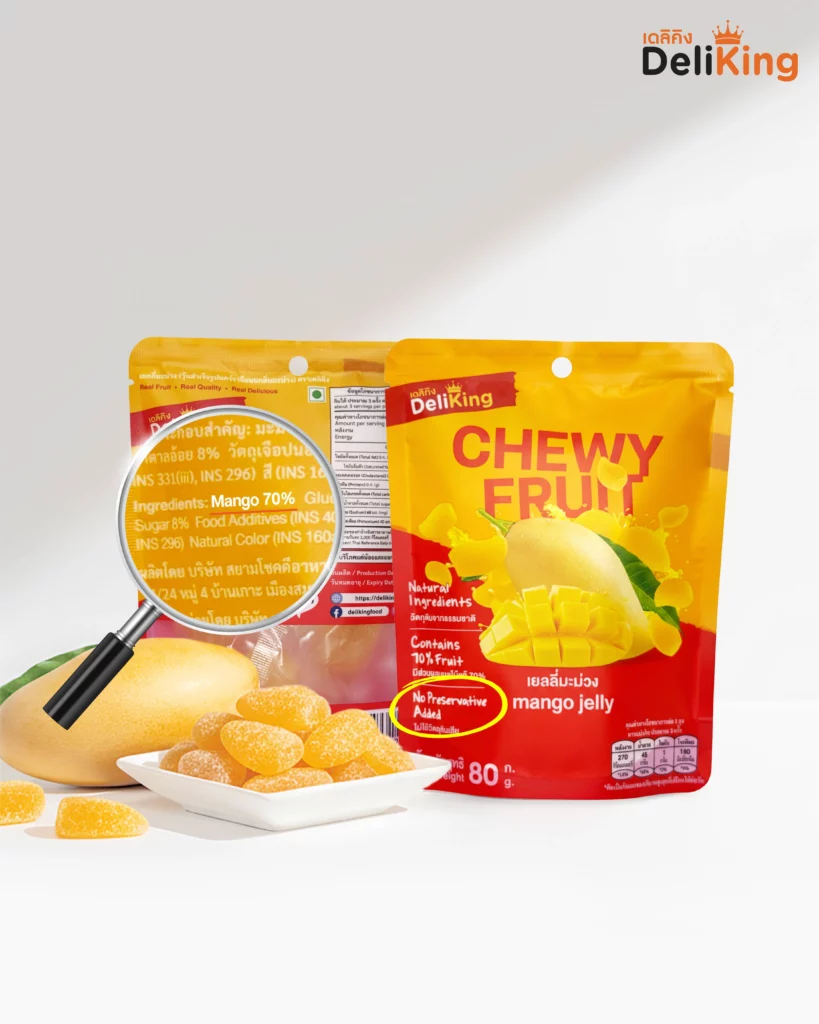
You pick up a “fruit” snack, expecting healthy goodness, but the ingredient list reads like a chemistry textbook. E211, E133, E102… sound familiar? For the Smart Rebel who values health over hype, decoding these numbers is the key to protecting your family’s well-being.
What Are E-Numbers Really?
E-numbers are codes for food additives used within the EU (and globally adapted). While approved for use, “edible” doesn’t always mean “healthy,” especially when consumed daily in processed snacks.
The “Red Flag” Codes You Should Watch Out For
- The Preservatives (E200-E299): Common in mass-produced gummies to extend shelf life indefinitely. While convenient for manufacturers, some studies suggest links to hypersensitivity when consumed in large amounts.
- The Artificial Colors (E100-E199): Used to create those neon colors nature never intended. Some specific dyes have been linked to hyperactivity in children.
The Rise of the “Clean Label”
Consumers worldwide are demanding transparency. A “Clean Label” means ingredients you can recognize, pronounce, and trust—like “Mango” instead of “Artificial Mango Flavor.”
The DeliKing Difference: Unapologetically Real
We believe you shouldn’t need a degree in chemistry to choose a snack.
- 0% Preservatives: We rely on rigorous hygiene standards (GHP/HACCP/HALAL/USFDA) and high-quality packaging to keep our jellies fresh.
- 70% Real Fruit: Our first ingredient is always fruit. The taste, texture, and color come from nature, specifically premium Thai fruit puree.
Transparency is the new premium. Next time you shop, ignore the front-of-pack claims and head straight for the ingredient list. Your body (and your kids) will thank you for choosing the real deal.