

Health Impact Research on Healthy Snacking
New research during 2024–2025 has explored the development of healthy snack formulations and their impact on consumers across various aspects like energy levels, satiety, blood sugar regulation, and overall metabolic health.
Healthy Protein Bar vs. Standard Protein Bar:
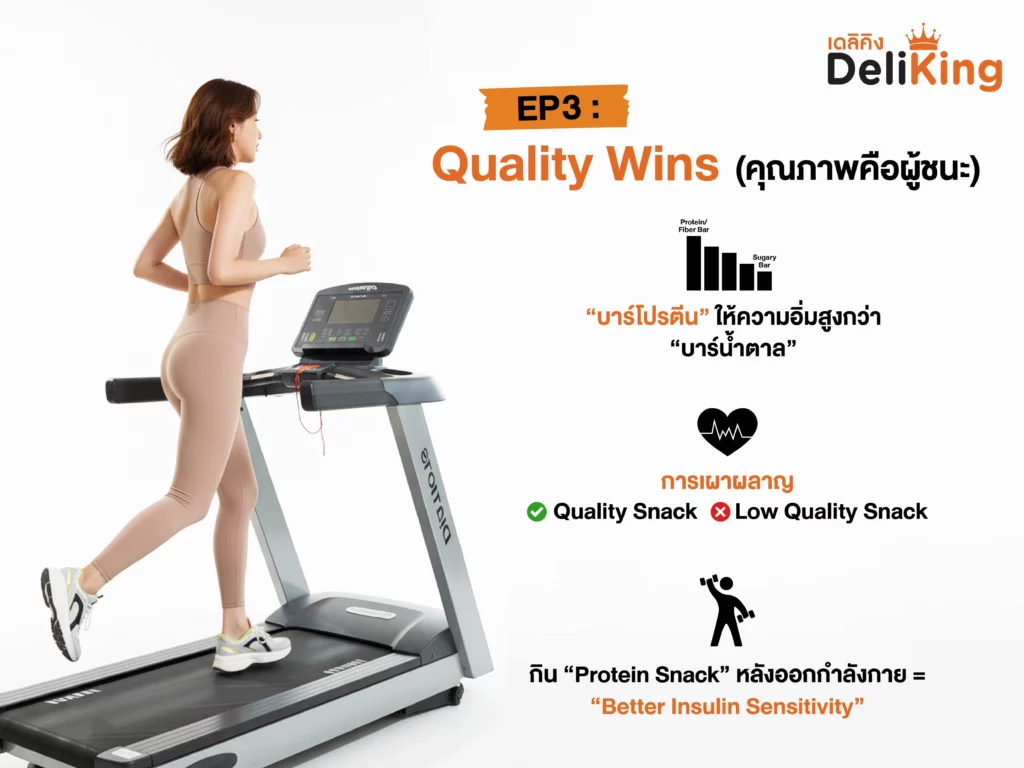
A 2025 study by Duda-Seiman et al. developed a new protein bar formula using only natural ingredients, aiming for a high-protein snack that avoids added sugars or additives. The prototype primarily used soy protein supplemented with oats and dried fruits for fiber and flavor. Compared to commercial bars, the new formula had significantly higher protein and fiber, lower sugar, and no preservatives. The researchers noted that the formula—high in fiber and low in sugar—improved blood sugar stability and increased satiety. This suggests that this naturally formulated high-protein bar offers greater health benefits than typical commercial bars, which often contain numerous sugars and additives.
Post-Exercise Snacking: Low-Carb vs. High-Carb – Metabolic Effects:
A small 2025 clinical trial studied the effect of post-exercise snack composition on blood sugar control and insulin sensitivity in 20 obese women. After intense cycling (HIIT), participants consumed either a high-carb pudding or a low-carb, high-protein snack (low-fat plain Greek yogurt). Unsurprisingly, the low-carb yogurt group had significantly lower blood sugar and insulin levels immediately post-snack. More importantly, the following morning, the low-carb group maintained a significantly lower insulin resistance score compared to the high-carb group. This concludes that consuming a high-protein, low-sugar snack post-workout enhances the exercise benefits on insulin sensitivity more effectively than a high-sugar treat.
Snack Quality and Metabolic Health (ZOE PREDICT Study Findings):
Larger-scale research published in early 2024 analyzed snacking habits and their link to health markers in 854 adults. The analysis found that 95% of people snacked at least once daily, and crucially, the “quality” of the snack was more strongly associated with metabolic health than the frequency or caloric intake. Individuals with low snack quality scores (consuming sugary desserts, fried snacks) tended to have higher triglycerides, higher fasting insulin, and higher insulin resistance. The study concluded that improving the quality of snacks consumed, and timing snacks appropriately, could be a simple strategy to promote cardiovascular and metabolic health.
Consumer Trends in Health-Conscious and Active Individuals
Healthy Snacking Goes Mainstream:
The consumption of performance and healthy snacks has expanded beyond professional athletes to the general population with active lifestyles. Younger consumers (Gen Z, ~18–25 years old) show a clear shift toward “mindful” snacking, prioritizing natural, sustainable ingredients (often plant-based) and functional benefits.
Millennials (~25–40 years old) also prioritize functional snacks for energy and gut health. Both groups are more likely to read nutrition labels in detail before purchasing snacks compared to previous generations.
Snacking and Fitness Routines:
For regular exercisers, snacks are part of the daily plan. The most popular times for protein snacks include before or after exercise, during TV/gaming, and during work breaks. Motivations vary from wanting a “delicious treat” to needing a better-for-you option or avoiding junk food. This shows that healthy snacks are now integrated into daily enjoyment, not just workout fuel.
References
[1] Duda-Seiman, C. et al. (2025). A Comprehensive Study on the Nutritional Profile and Shelf Life of a Custom-Formulated Protein Bar Versus a Market-Standard Product. Foods, 14(12), 2141
[10] Damjanovic, J. (Dec 11, 2025). New study examines how post-exercise snacks influence benefits of exercise on blood sugar regulation. KPE News, Univ. of Toronto – Gillen et al. study on low vs high-carb post-exercise snacks
[12] FoodManufacture. (Aug 20, 2024). Trends in sports nutrition 2024 – Industry review (ADM/Epicurium insights on high protein, clean label, generational trends)
[13] Bermingham, K.M. et al. (2024). Snack quality and snack timing are associated with cardiometabolic blood markers: the ZOE PREDICT study. European Journal of Nutrition, 63(1), 121–133
[14] Glanbia Nutritionals (2022). Healthy Snacking Usage & Attitudes Study, 2022 – (cited via Glanbia 2024 report) data on snacking occasions and consumer motivations